Authentication vs Grading: When You Only Need One
Grading answers two questions at once, and sometimes you only care about one of them. Here is when authentication alone is the right call and when it is a waste of money.
Grading is sold as one service but it answers two separate questions. Is this card real and unaltered, and how good is its condition. Most of the time you want both answers. Sometimes you only care about the first one, and in those cases paying for the second is paying for something that can actively work against you.
That distinction is worth understanding because it changes what you do with the awkward cards, the ones that are clearly valuable and clearly not mint.
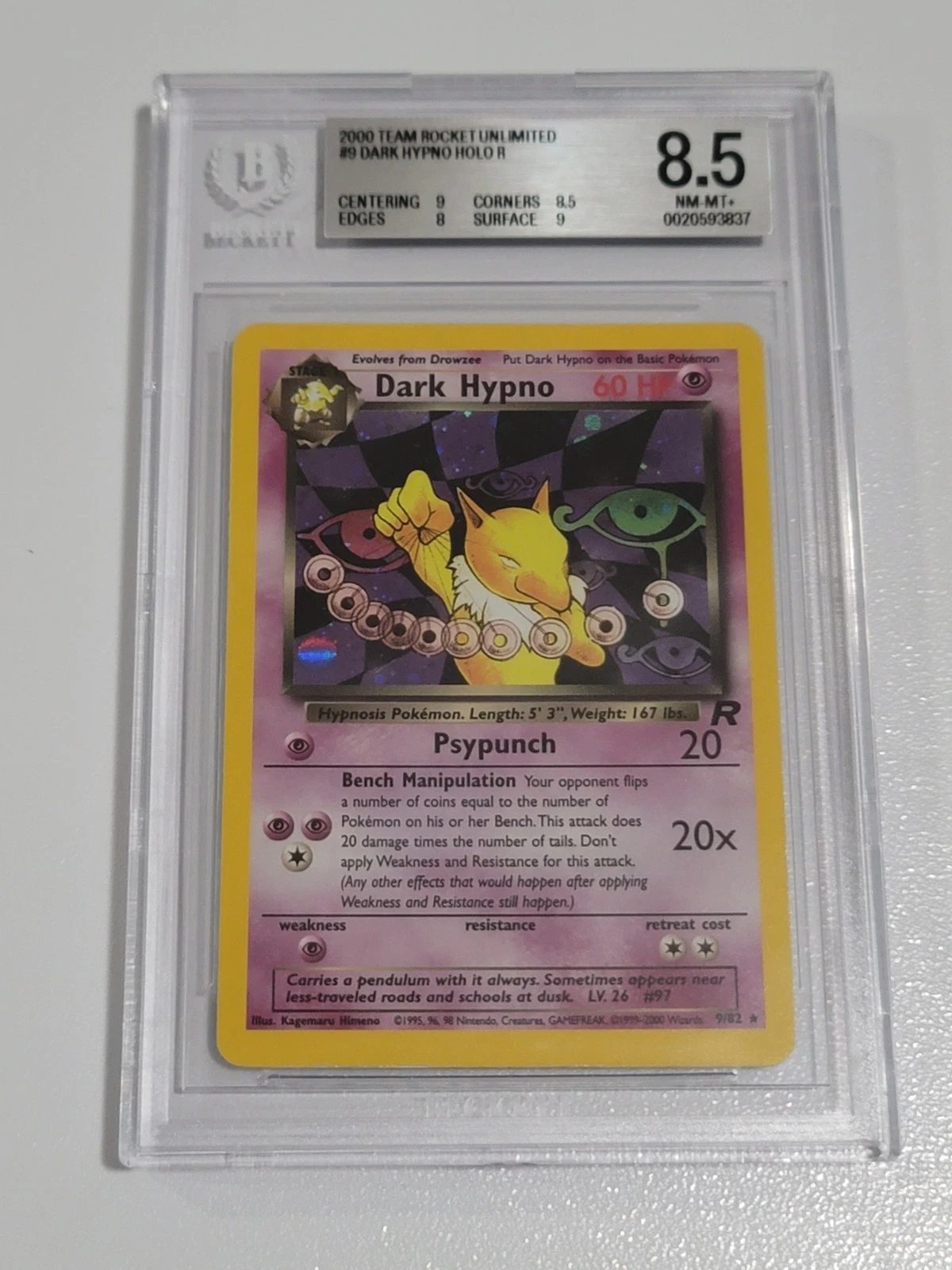
What each service is actually doing
Authentication is a verdict on the object. Is this a genuine card from the set it claims to be from, and has it been altered since it left the factory. Trimming, recoloring, surface work, and recasing are all alterations, and catching them is the hard part of the job.
Grading includes all of that and then adds a condition assessment, scored across centering, corners, edges, and surface, resolved into a single number on the label.
The important thing is that the authenticity part is the part doing the heavy lifting for a buyer’s confidence. A number on a label tells them how nice the card is. The sealed holder with a verifiable certification number tells them it is real, which is the thing that can otherwise cost them everything.
When the condition number is worth paying for
Most of the time, frankly. If a card is clean and the top grades carry a premium, the whole reason to submit is to find out whether you have one.
This is the standard case and we have written about it from several angles already: whether the economics work at all in should you grade Pokemon cards, and why the top grade is where the money concentrates in why is a PSA 10 worth so much more than a 9.
If your card is in that category, grade it, and do the centering and surface checks first so you are not paying to be told something you could have seen.
When the condition number works against you
Here is the case people get wrong, and it costs real money.
Suppose you have a genuine vintage card that is obviously not mint. Soft corners, a bit of edge wear, maybe a light surface scuff. Raw, it sells to someone who looks at the photos, decides it is acceptable for the price, and buys it. Its condition is a matter of negotiation and perception.
Graded, it comes back a 4. That number is now printed on a label and attached to the card permanently, and every future buyer prices it off the published market for a 4. You have converted a flexible description into a fixed ceiling, and paid a fee and several months of waiting to do it.
Authentication, by contrast, gives the buyer the one assurance they needed, that the card is genuine, without stamping a number on it. On a damaged but valuable card, that is frequently the better trade.
The cases where authentication alone makes sense
Four situations come up repeatedly.
Damaged vintage. As above. The card has value because of what it is, not because of what condition it is in, and a low grade caps it.
A card whose authenticity is genuinely in question. If the whole reason the card is hard to sell is that buyers suspect it is counterfeit, authentication solves the actual problem. Our checklist for spotting the obvious cases first is are my Pokemon cards fake.
Signed cards. An autograph is a separate authenticity question from the card, and a condition grade on a card that has been written on is not the thing buyers are evaluating.
Cards you intend to keep. If the card is not going anywhere, you may want the sealed holder for protection and the certainty for your own records, and have no interest in a number.

What authentication does not fix
It is worth being clear about the limits, because people over-read what a holder means.
Authentication does not make a damaged card worth more than a damaged card. It removes a doubt, it does not add condition. If the card is creased, it is still creased, and the market for creased cards is what it is.
It also does not help with cards that were never in doubt. Spending money to certify that a common from last year’s set is genuine is money gone. The service is worth its price only where authenticity was actually load-bearing in the sale.
And it does not protect you from the holder itself being faked. Counterfeit slabs exist, which is why the certification number and the grading company’s own database matter more than the plastic. We went through how to check in fake graded slabs.
The timing factor right now
One practical note, because it changes the calculation as of late 2026.
Grading turnaround times are long. PSA paused its cheapest service levels in June 2026 and the backlog has stayed in the millions, with the available tiers quoting waits measured in months. Anything you send, for authentication or for a grade, is a card you cannot sell for a long while. We laid out what that costs in what the grading wait actually costs you.
That makes the question sharper rather than different. If a card’s value genuinely needs a holder, the wait is the cost of doing business. If it does not, the wait is one more reason to sell the card raw and keep the fee.
How to decide in two questions
This is the whole decision, compressed.
First: would a buyer pay meaningfully more for this card if it had a high grade on it? If yes, and the card is actually a candidate for a high grade, submit it for grading.
Second: if no, is authenticity the thing stopping this card from selling? If yes, consider authentication. If no, sell it raw and keep your money.
Everything else is detail. The one answer that is almost never right is submitting a visibly worn card for a full grade and hoping the number comes back kind.
Crossing over, and why it is a related decision
There is a third option people forget, which applies when a card is already in somebody else’s holder.
Crossover is submitting an already-graded card to a different company and asking them to grade it into their own holder. You can usually set a minimum grade, and if the card does not meet it, the card comes back to you in its original holder rather than being cracked open and downgraded. That safety valve is the entire reason crossover is worth considering at all.
Where it connects to this article is that crossover is a bet on the condition number, not on authenticity. The card is already authenticated, by somebody. What you are buying is a different company’s label, and whether that pays depends on whether the market pays a premium for that company on that particular card. Sometimes it is substantial and sometimes it is nothing. Our walkthrough is in crack a slab and regrade.
What to send with the card
Whichever service you choose, a few practical things save grief.
Fill out the submission form against the card in front of you, not from memory, because misidentifying the set is a common and annoying error that can get a submission returned. Declare a sensible value, since that determines both the service tier you are eligible for and the insurance on the return shipment.
Package it so it survives the trip in both directions. A card loose in an envelope is a card you have gambled with. How to ship Pokemon cards covers doing it properly, and the return leg is just as exposed as the outbound one.
The short version
Grading is authentication plus a condition score. The score is what you are paying extra for, and on a card that will not score well it becomes a permanent ceiling rather than a selling point.
Grade clean cards that could hit the top grades. Authenticate damaged-but-valuable cards, signed cards, and cards where counterfeiting is the real obstacle. Sell everything else raw, and check the grading company’s current service list and turnaround before committing to either.
Common questions
- What is the difference between authentication and grading?
- Authentication answers whether the card is genuine and unaltered. Grading answers that too, and then also assigns a condition score from the centering, corners, edges, and surface. Grading is authentication plus an opinion on condition.
- When should I authenticate instead of grade?
- When the card’s value does not depend on its condition score. A damaged vintage card, a signed card, or a card whose authenticity is the only thing in doubt are all cases where a condition number adds nothing a buyer will pay for.
- Does an authenticated card sell for less than a graded one?
- Usually, if the card could have graded well, because buyers pay for the grade. On a card that would have graded poorly, authentication can net more, because a low number on the label becomes a permanent ceiling on the price.
- Can I get an authenticated card graded later?
- In most cases yes, by resubmitting it, though you will pay again and wait again. Service names, prices, and turnaround times change often enough that it is worth checking the grading company’s own site before planning around any of it.