Which Pokémon Card Errors Are Actually Worth Money?
Most Pokémon printing errors are worth a dollar. The named ones carry roughly double, not thirty times. Here is what August 2026 sold prices actually show.
There is a genre of article that lists ten Pokémon error cards and attaches enormous numbers to them. Most of those numbers are auction records for cards that a few people on earth own. They are not what your card is worth.
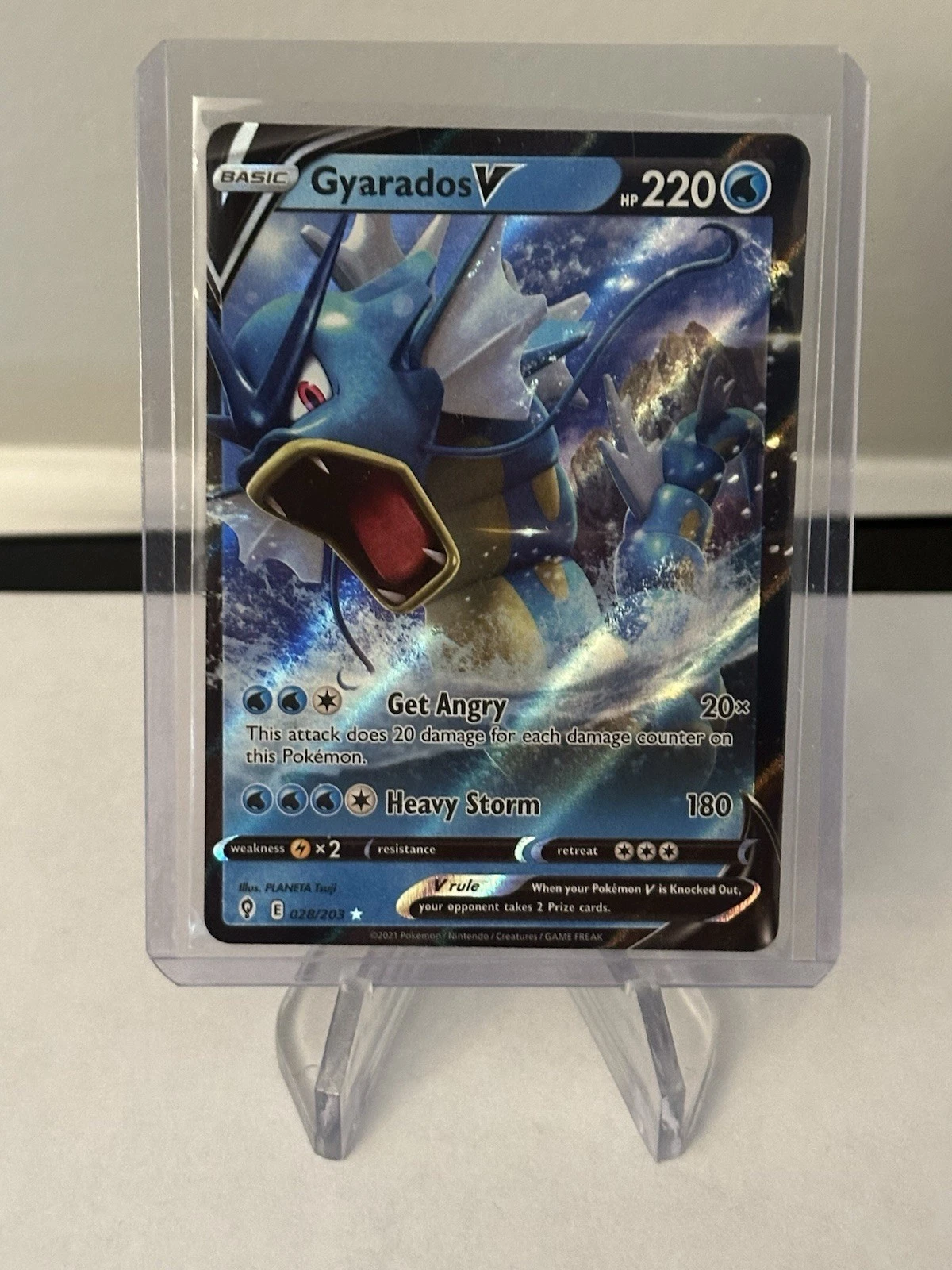
Here is the honest version, built from eBay sold listings loaded in August 2026. An error is a multiplier on a card’s normal price, not a jackpot. The multiplier for the famous named errors is roughly two. For everything else it is roughly one, and sometimes less.
The error is a multiplier, not a jackpot
The single most useful thing to understand is that the card underneath the error sets the ceiling. A press fault on a bulk rare is a bulk rare with a fault.
Crimped cards make this obvious. On eBay in August 2026, a crimped Gastrodon 107/191 sold for $3.00 (20 August). A crimped Corphish from Battle Styles sold for $19.00 (23 August). A crimped and miscut Greninja Gold Star promo, SWSH144, sold for $249.95 (5 August). Same error. The prices track the Pokémon and the card, not the crimp.
So before you get excited about a flaw, price the card normally. That number, doubled, is a reasonable first guess at the ceiling.
Which errors actually carry a premium
Three things have to be true for an error to be worth anything.
It has to be verifiably from the factory. A buyer cannot tell your press fault from damage you caused. This is why grading matters more for errors than for ordinary cards — PSA and CGC will note a confirmed error on the label, and that label is doing most of the work.
It has to be cataloged, or obvious. Collectors chase errors that have names. If your flaw needs three paragraphs of explanation, it does not have a market.
It has to sit on a card people already want. See above.
The Jungle No Symbol error
This is the one most likely to be sitting in a shoebox in the US. Part of the 1999 Jungle print run went out without the set symbol in the bottom-right corner. It is real, it is cataloged, and it is genuinely common — which is why the premium is small.
August 2026 sold prices on eBay: a No Symbol Scyther 10/64 holo at $65.00 (23 August), a Mr. Mime 6/64 holo at $49.99 (21 August), a Kangaskhan 5/64 in Excellent condition at $27.99 (23 August), a Victreebel 14/64 holo at $24.99 (23 August), an Electrode 2/64 holo in moderate play at $24.99 (22 August), and a heavily played Pidgeot 8/64 holo at $12.01 (23 August).
Now the comparison that the listicles skip. Ordinary Jungle Scyther 10/64 holos sold on 23 August 2026 at $18.50 (moderate play), $20.00, $21.00, $24.05, $35.00 and $36.29. So the No Symbol Scyther’s $65.00 is about double a clean normal copy — a real premium, and a long way from life-changing.

The ghost stamp Pikachu
Base Set 1st Edition Pikachu 58/102 exists with a faint, gray, partially-inked 1st Edition stamp. Collectors call it the ghost stamp.
Raw examples sold on eBay at $450.00 (3 June 2026), $550.00 (1 July 2026) and $649.99 (21 June 2026). A PSA 9 sold for $670.00 (27 July 2026). A cracked-out PSA 6 sold for $125.95 (9 August 2026).
Against that: a raw ordinary 1st Edition Pikachu 58/102 sold for $250.99 on 23 August 2026, and a PSA 6 for $222.50 the same day. So the ghost stamp is worth roughly twice a comparable normal card. You will see this error quoted with far more dramatic multipliers. The sold listings do not support them.
Which errors are worth nothing
Miscuts on modern cards. There are a lot of them. On eBay in August 2026, a near-mint miscut Luvdisc from Lost Origin sold for $1.00 (22 August), a near-mint Oshawott from Astral Radiance with both a miscut and an ink smear sold for $1.00 (22 August), a lot of four miscut Lost Origin rares sold for $10.54 (23 August), and a miscut Lugia from Darkness Ablaze sold for $10.00 (23 August).
The exception is a miscut severe enough to show part of the next card in the sheet. Those read as errors rather than as damage. A set of connecting miscut cards from Journey Together sold for $56.00 on 22 August 2026.
Print lines, faint ink smears, slightly off-center cards: no premium. Off-centering in particular works against you, because it is one of the four things graders measure. An off-center card is a lower grade, and a lower grade is less money.
How to check your own card in ten minutes
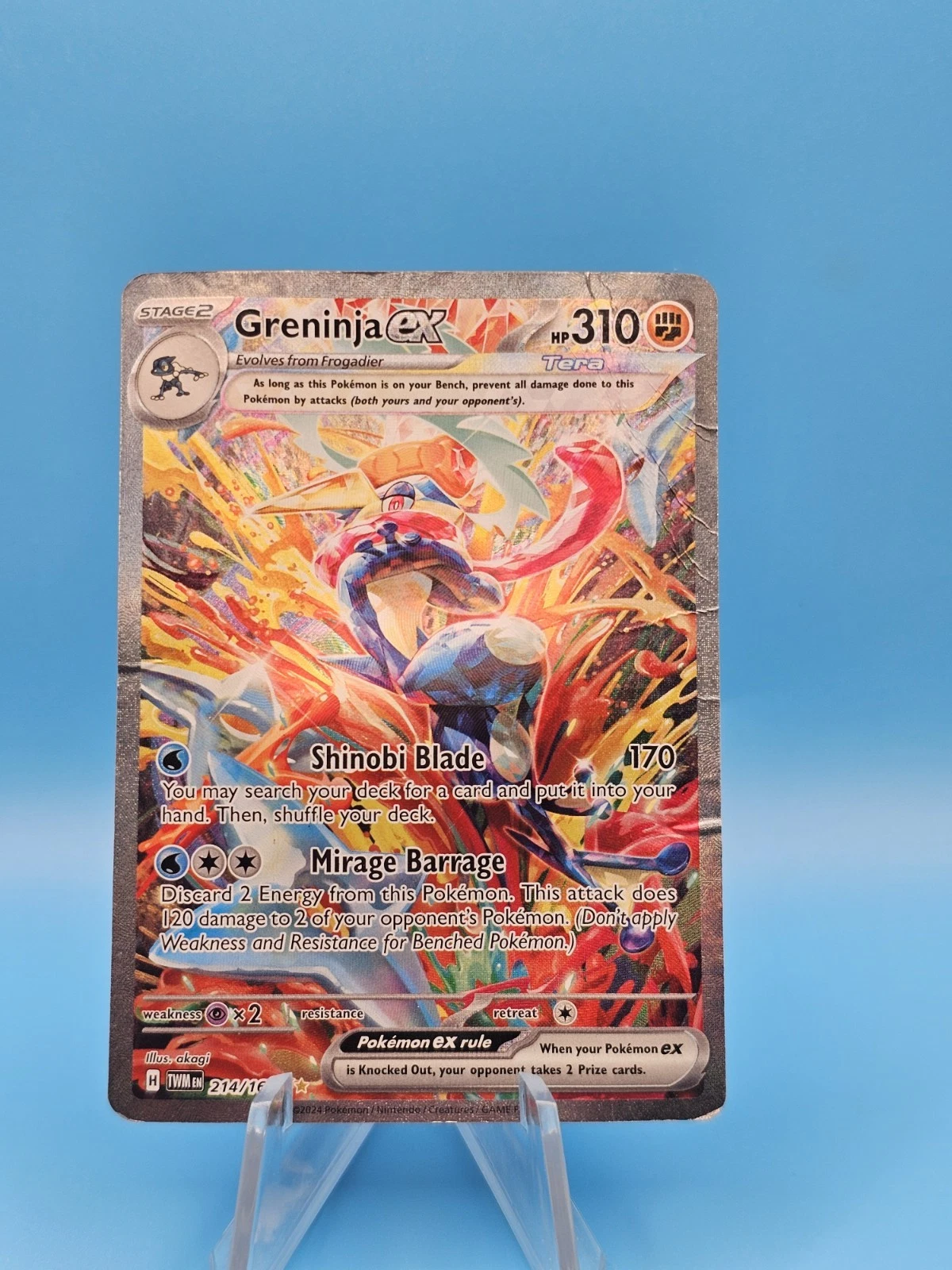
Search the card by name and number in eBay’s sold listings — filter to Sold and Completed, not active asking prices, which on error cards are wildly optimistic. Price the card normally first. Then search the card name plus the error name. If nothing comes up under the error name, there is no market for it and the card is worth its ordinary price.
Two sold listings at a similar number is a price. One is an anecdote.

If you are selling
If you have a single confirmed error on a card worth a few hundred dollars, sell it yourself. Error buyers are a specific crowd, they find things through search, and a well-photographed individual listing will beat any dealer’s lot offer, including ours.
If what you actually have is a box of cards with a few odd-looking ones in it, that is a different situation, and it is the one we are built for. We buy collections in any condition — played, creased, sun-faded, miscut, all of it. Condition changes the price, not our interest, and there is no minimum size. Send photos including backs and we will tell you what we saw, errors included. Offers go out within 24 hours of photos, insured shipping is covered on accepted offers, and payment is sent once the cards arrive and match the photos. If you want a number, start here.
One last thing. Do not clean, trim, flatten or otherwise fix an error card. Every one of those turns a factory fault into buyer-caused damage, and both graders and experienced buyers will spot it. The flaw is the point.
Common questions
- Is a miscut Pokémon card worth money?
- Usually not. On modern cards, miscuts are common enough that they sell for a few dollars. On eBay, a miscut Luvdisc from Lost Origin sold for $1.00 on August 22, 2026, and a miscut Lugia from Darkness Ablaze sold for $10.00 on August 23, 2026. A miscut only matters when the card underneath it is already worth something, or when the cut is severe enough to show a second card.
- What is the Jungle No Symbol error and is it valuable?
- It is a 1999 Jungle print run that shipped without the set symbol in the bottom-right corner. It is a real, cataloged factory error, and it does carry a premium — but a modest one. A No Symbol Scyther holo sold for $65.00 on eBay on August 23, 2026, while ordinary Jungle Scyther holos sold the same day between $18.50 and $36.29. Played No Symbol holos of less popular Pokémon sold for $12 to $28.
- How much is the ghost stamp Pikachu worth?
- Raw Base Set 1st Edition Pikachu 58/102 cards with the faint ‘ghost’ 1st Edition stamp sold on eBay for $450.00 on June 3, $550.00 on July 1 and $649.99 on June 21, 2026. A PSA 9 example sold for $670.00 on July 27, 2026. For comparison, a raw ordinary 1st Edition Pikachu 58/102 sold for $250.99 on August 23, 2026, and a PSA 6 for $222.50 the same day.
- Do PSA and CGC grade error cards?
- Yes, and they note the error on the label when they can confirm it happened at the factory. That label is most of the value: an unlabelled raw error is just a damaged-looking card to a buyer who cannot tell a press fault from a kitchen-table one. Graded error cards do sell — a CGC 8 Koraidon with a crimp and miscut sold for $36.99 on eBay on August 20, 2026.
- Should I get my error card graded before selling it?
- Only if the card would be worth a few hundred dollars anyway. Grading costs money and takes weeks, and on a $10 card it will never pay for itself. If it is a common card with an unremarkable error, sell it raw or put it in a lot.