What the Grading Wait Actually Costs You
PSA paused its Value tiers in June 2026 and the backlog is still around nine million cards. Here is what the current wait does to the math on whether to grade at all.
Grading guides usually treat the fee as the cost and the wait as an inconvenience. In the market as it stands in late 2026, that has it backwards. The wait is doing more damage to the decision than the fee is.
The reason is straightforward: the cheap way to grade a card is currently not available, and the available options are slow enough that the time itself has a price.

Where things actually stand
PSA paused submissions for four of its cheapest service levels, Value Bulk, Value, Value Plus, and Value Max, effective June 2, 2026. Those tiers are still paused as of this writing. Submissions already in the system continued to be processed under the turnaround times they were submitted at.
The reason PSA gave was volume. In its May 2026 update the company described a 20% spike in submissions that added another 1.6 million cards and pushed the backlog toward ten million, said its operational capacity had grown roughly fivefold since 2021, and set a target of cutting the backlog to five million, which it projected could take up to four months. It also launched a public backlog tracker updated every two weeks, which showed roughly nine million units as of September 22, 2026.
On September 14, 2026 PSA opened a new Standard tier at $59.99 per card with a maximum declared value of $1,000 and an estimated 90 to 100 business-day turnaround. The company was explicit that Standard is not a replacement for the Value tiers and that it plans to reopen tiers in phases.
All of that is subject to change, and if you are reading this months later, check the tracker rather than trusting this paragraph.
What 90 to 100 business days means in practice
Business days are not calendar days, and the difference matters when you are planning.
Ninety to a hundred business days is roughly four and a half to five months on a calendar, before you add the time your package spends in transit each way and the time PSA spends simply opening submissions. A card you send in October is realistically a card you get back in March.
That is the number to put into any grading decision, not the fee.
The three costs of the wait
The fee is visible. These three are not, and together they usually exceed it.
Your money is parked. The $59.99 is gone the day you ship, and so is the card. If the card was worth $200 raw, you now have $260 of value sitting in a queue instead of in your account. For five months you cannot sell it, cannot borrow against it, and cannot change your mind cheaply.
The market moves. Five months is long enough for a reprint announcement, a set rotation, or a shift in sentiment to change what the card is worth. That cuts both ways, but it is risk you did not have while the card was in your binder, and risk has a cost even when it does not materialize.
Shipping risk is real, twice. The card travels to the grader and back. Both legs are insurable and both legs occasionally go wrong. We covered doing that properly in how to ship Pokemon cards.
Redoing the math at today’s prices
The usual rule of thumb is that grading makes sense when the grade adds more than the fee. At $59.99 and five months, that rule needs tightening.
Take a card worth $120 raw. Suppose a clean copy grades a 9 and sells for $180, and a 10 would sell for $400. If you get the 9, you have turned $120 into $180 minus the $59.99 fee minus shipping both ways, which is roughly break-even after five months of having the money locked up. You did the work, took the risk, and ended up where you started.
The 10 is where the money is, which is exactly the problem, because most cards people expect to grade a 10 come back a 9. We went through why that gap is so steep in why is a PSA 10 worth so much more than a 9.
Now take a card worth $900 raw where a 10 sells for $3,000. The fee is noise, the five months are tolerable, and the expected value is clearly positive even accounting for the chance of a 9. That is a card worth grading at Standard rates.
The honest cutoff has moved up. Cards that were marginal at Value prices with a six-week turnaround are not marginal now, they are bad bets.
What to do with the cards in between
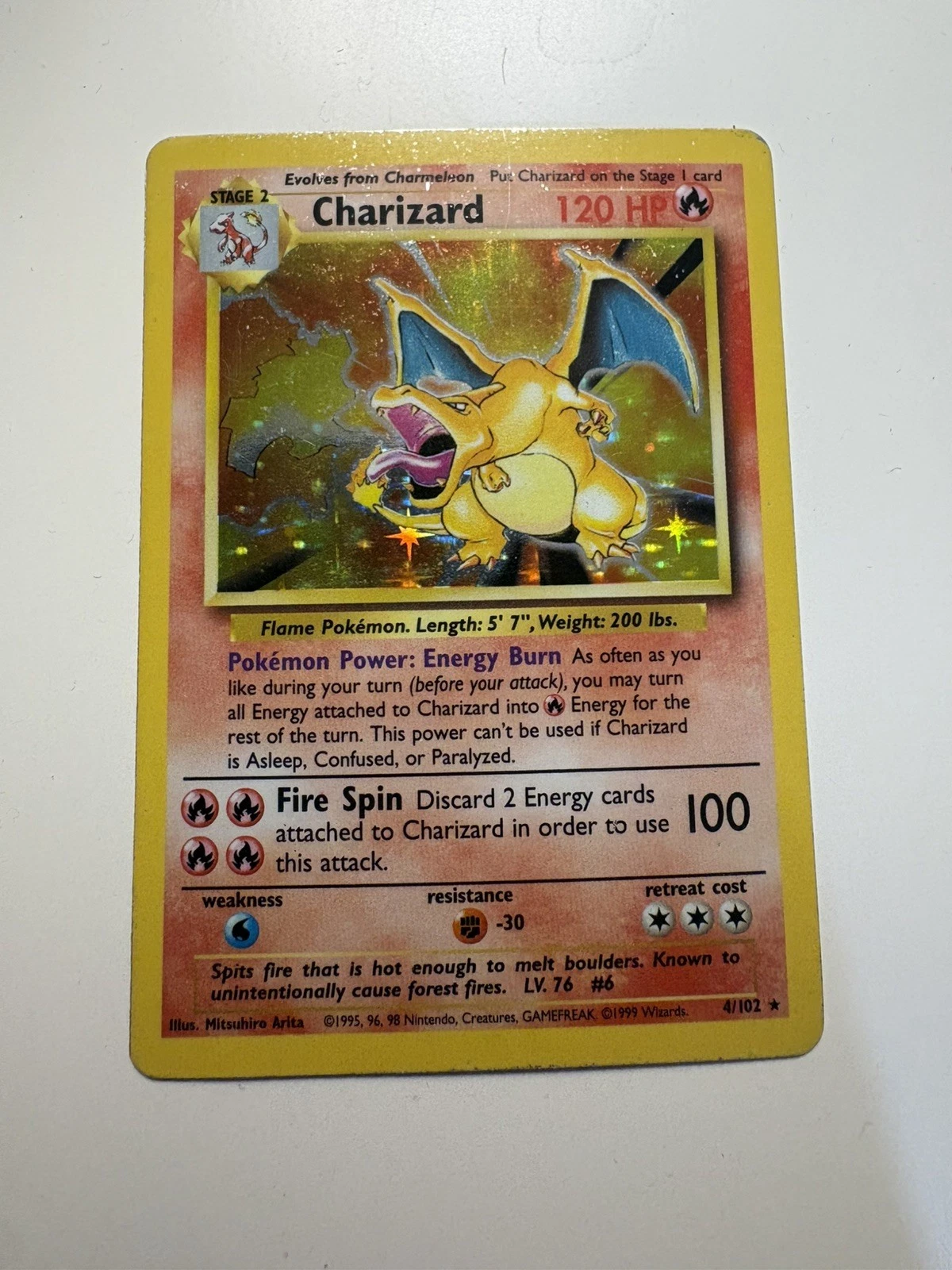
There is a large middle band of cards, call it $50 to $250 raw, where grading used to be a reasonable play and currently is not. A few options are better than sending them anyway.
Sell them raw. The raw market is real and it is liquid. Buyers who want a clean copy of a card at a sensible price are not all waiting for slabs. What that market looks like is covered in what are my cards worth without grading.
Hold and wait for tiers to reopen. If you are not in a hurry, this costs you nothing except opportunity. PSA has said it intends to phase tiers back in. Store the cards properly in the meantime.
Look at the other companies. PSA is the largest and its slabs command the strongest premiums, but it is not the only option, and the premium is not equal across every card. Our comparison in PSA vs CGC vs Beckett goes through where each one makes sense.
What is rarely right is sending a $70 card into a five-month queue at a $59.99 fee because grading is what you do with good cards. That is a habit, not a calculation.
If you do submit, submit well
Assuming the card clears the bar, the wait is a reason to be more careful, not less.
Check centering before you send, because it is the single most common reason a card that looks mint comes back a 9, and it is visible to you for free right now. Our walkthrough is in Pokemon card centering explained.
Be realistic about surface. Hold the card under a light at an angle. Print lines, scuffs, and gloss breaks that are invisible straight on are exactly what a grader is looking for.
And do not submit a card you are unsure is authentic hoping grading will settle it. If it comes back as not genuine you have paid the fee and waited five months for bad news you could have had sooner.
What happened to bulk grading
Bulk submission deserves its own note, because it is the use case the pause hit hardest.
The Value Bulk tier was how people graded twenty or fifty cards at once at a low per-card rate, and the arithmetic only ever worked because the rate was low. At $59.99 per card, grading fifty cards costs roughly three thousand dollars before shipping, which is not a bulk strategy, it is a serious investment decision about fifty individual cards.
If your plan involved bulk grading, that plan is on hold rather than merely more expensive. PSA has said it intends to reopen tiers in phases, and the backlog tracker is the place to watch for it. In the meantime, the cards are not going anywhere, and holding them costs you nothing but a sleeve and a box.
The short version
As of October 2026, PSA’s cheap tiers are paused, the backlog is around nine million cards, and the available Standard tier runs $59.99 per card with an estimated 90 to 100 business-day turnaround. That is five months on a calendar.
Price the wait, not just the fee. Cards where the grade adds hundreds are still clearly worth submitting. Cards where it adds fifty are not, and the right move on those is usually to sell them raw now or hold them until the cheap tiers come back.
Common questions
- How long does PSA grading take right now?
- It depends on the tier, and the cheap tiers are not currently available. PSA paused Value Bulk, Value, Value Plus, and Value Max submissions effective June 2, 2026, and they remain paused. The Standard tier it opened on September 14, 2026 carries an estimated 90 to 100 business-day turnaround at $59.99 per card.
- Why is the backlog so large?
- PSA described a 20% spike in submissions that added another 1.6 million cards, pushing the backlog toward ten million. It was still around nine million units when PSA updated its public tracker on September 22, 2026. The company says capacity has grown roughly fivefold since 2021 and daily demand still exceeds output.
- Does a long wait change whether grading is worth it?
- Yes, in two ways. Your money is tied up in a card you cannot sell for months, and the market can move while you wait. On a card where the grade adds a few hundred dollars that is an acceptable risk. On a card where the grade adds thirty, it rarely is.
- Should I just wait for the Value tiers to reopen?
- PSA has said it intends to reopen tiers in phases, but has not committed to a date. Waiting is reasonable if the cards are not going anywhere. It is not a plan if you wanted the money this year.